Let’s be kinder about obesity

Fat-shaming is a recent phenomenon. People who do it include doctors, NHS managers, politicians, journalists, comedians and ordinary folk like you and me. I write as one who has done it as well as had it done to me.
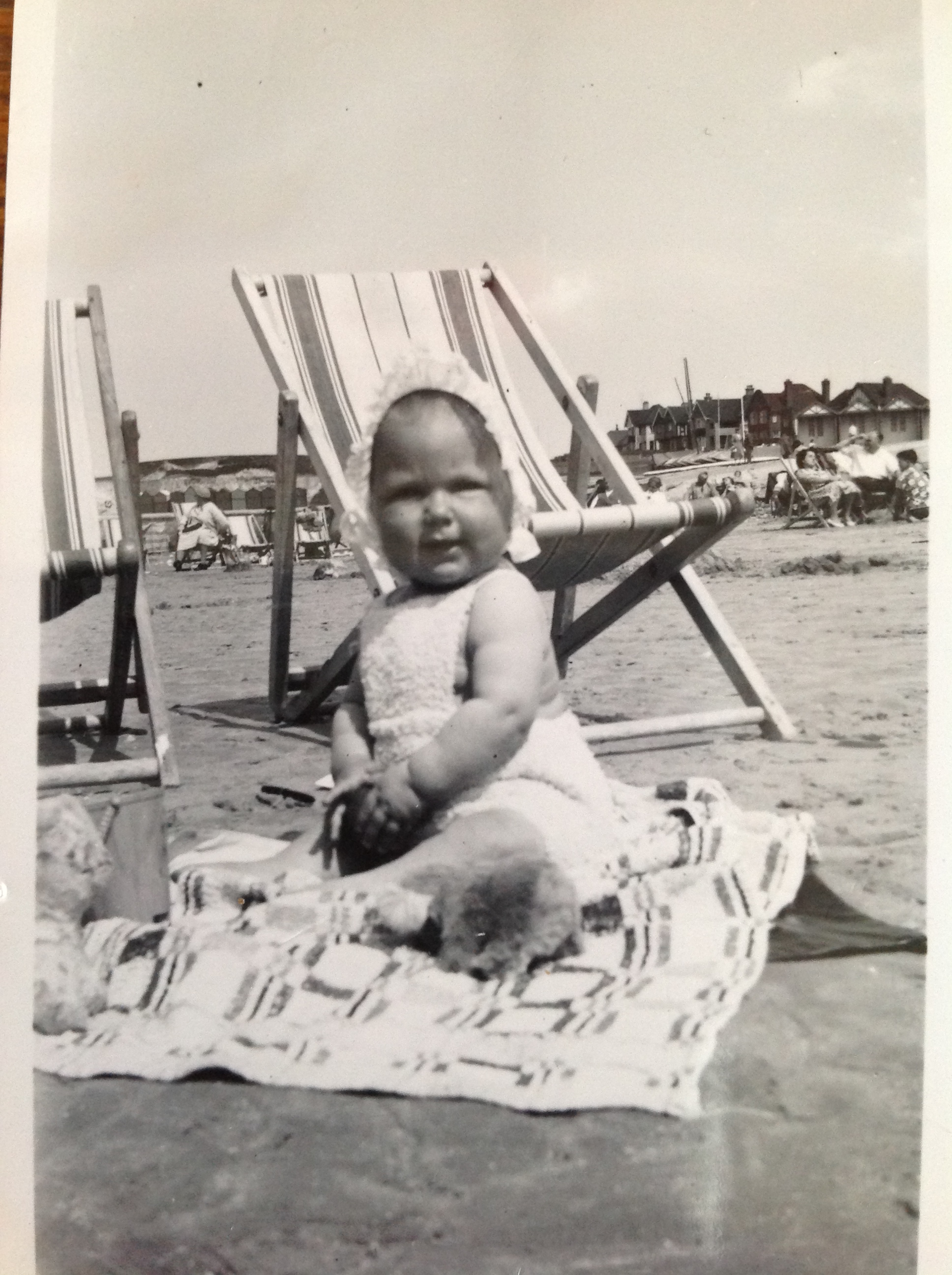
I always liked the beach

I always liked the beach

Here’s me as a baby. Fully breastfed, I was bigger than my tiny mother almost before I could walk. I take after my father. I am robust. I love my food.

Humans are built for survival. Some are wiry and can run fast for long distances. Others have staying power. In an emergency situation, chunky people like me can cope with cold and hunger because we can survive on our fat stores. We are the polar bears and the Arctic seals of the human race.

Our modern Western world has played havoc with these survival characteristics. As long as you have money, food is plentiful. But the least nutritious, most fattening sorts of food are often the cheapest. And the combination of sugar, fat and salt in many processed foods such as cakes, biscuits, chocolate, ice-cream, crisps, milkshakes and even bread is, apparently, addictive.

This Ted Talk is enlightening. It helped me understand why losing weight is so hard. When you have gained weight, your body quickly adapts to being bigger, and adjusts your metabolism accordingly. Resetting the metabolic rate is extremely difficult. Once you have lost weight, you will probably have to eat fewer calories for the rest of your life to maintain your reduced size, even with regular, vigorous exercise. So you are fighting not only an addiction, but also your own nature.

And there is another factor. Many modern medications, particularly those used to treat various sorts of mental illness, have the unfortunate side effect of increasing one’s appetite. People taking them find they feel hungry all the time, and not surprisingly they eat more. I finished my antidepressants six months ago. Yet I have at least half a stone to shift, and despite extensive motivation and knowledge, it is proving a struggle. I know from chatting to others how distressing it is to gain four or five stone very quickly, with all the disability and stigma that goes with being overweight to add to the burden of the mental illness for which you have to keep taking the medication that leads to the weight gain.

I know people who have been to the doctor and been encouraged to lose weight. And then they go to the shop next door to buy a newspaper and are told that if they also buy a cheap monster size bar of chocolate (which contains more calories than they need to eat in a whole day but no protein, vitamins or roughage) the newspaper will be free. If this were cigarettes or drugs, we would be horrified.

Given the cost to the NHS of obesity, with its links to heart disease, strokes, Type 2 diabetes, cancer, arthritis and other long-term disabling conditions, not to mention depression, anxiety and agoraphobia associated with body image and self worth, you would think that investing in prevention and effective treatments for obesity would be the place to start.

I don’t like the term obesity epidemic. Obesity isn’t catching. Nonetheless, 60% of us in the UK are now either overweight or clinically obese.

There is mention of this in the NHS Five Year Forward View. But until this week, there has been no systematic appraisal of the best ways to help people achieve and maintain a healthy weight, nor a coordinated, evidence-based commissioning approach to weight-loss and healthy weight maintenance services. Public Health England have produced a report about sugar, but we have just learned that it has been withheld.

Who knows what the real story behind this is? I don’t really care. I just know that leaving obesity to individuals to tackle is unfair, ineffective and helps no-one but those who sell us all that stuff we don’t need.

Our current attitude to obesity is bizarre. Let’s tackle the food giants who push processed junk food at us from every direction. Let’s publish the public health report into sugar and do the economic appraisal that will prove beyond all doubt that helping people rather than criticising and lecturing them would in the end save a lot of money and even more unhappiness.

And most of all, let’s stop blaming people for doing what comes naturally.

This is an update on a blog I wrote earlier this year. I’m reprising it because of the fuss this week about Public Health England’s report into obesity and the Prime Minister’s apparent refusal to consider a possible tax on sugar.
 

Please do this and please don’t say that

Since coming out about my on-off relationship with depression, I’ve lost count of the number of people who’ve asked me stuff and told me things. Some have been extremely helpful, some not so much.

Here’s my handy guide on what not to say to someone like me:

  1. Please don’t ask “So why do you think you get depressed?” If I knew that, I’d fix it. I’m trying to find out, but it’s a work in progress.
  2. Please don’t say “Have you thought about exercise?” You bet I have. And now I’m in recovery, I’d love you to come for a walk or bike ride with me. And see if you can keep up.
  3. Please don’t say things like “When I retire, I’m worried I might get depression like you did. How can I avoid it?” I don’t know! What I do know is that depression isn’t caused by one thing. If you’ve got to this stage in life without experiencing it, chances are you never will. But I can’t make any promises.
  4. Please don’t say “When I get depressed, I always…. (insert favourite pastime/exercise/indulgence.)” Thanks for the information, but you haven’t had depression. Or you wouldn’t say that.
  5. Please don’t say ” Do you think talking/writing about your depression might make it worse/bring it on?” No I don’t. Sure, exploring this stuff is painful. But psychological wounds are like physical ones. They won’t heal if you simply cover them up. They will fester. To heal properly, wounds need sunlight and oxygen. Being open is the antidote to the nasty old stigma which makes people who don’t experience mental illness feel embarrassed about it and people like me who do feel ashamed.
  6. Please don’t say “I never thought of you as the sort of person to get depression. I always thought you were so strong.” Yes. And that’s part of the problem. If you read Tim Cantopher’s Depressive Illness: The Curse of the Strong, it will help to invert your thinking about depression. As it did mine.
  7. If I’m not on medication, please don’t tell me that I should be taking it. If I am, please don’t pass judgement, or ask if I have thought about talking therapies instead. And please don’t call antidepressants “happy pills”. People with physical illnesses such as cancer or heart disease don’t need well-intentioned, uninformed amateurs to opine on their treatment. People with mental illnesses are the same. It is neither good nor bad to take medication. It is just sometimes an essential part of getting better or staying well.
  8. Please don’t say “You seem too jolly/optimistic to get depression.” Again, do read Tim Cantopher. Depression is rarely a permanent state. For me, the stark contrast between how I feel when depressed and my state when well is close to unbearable.

Depression isn’t the same thing as sadness. In my case, it is a combination of self-loathing and emptiness. But we are all different. See my letter to you for further info. It includes the details of the book I mentioned above.

Having listed some Please Don’ts, here is a precis of what I have found, through experience, really helps.

Do please:

  1. Hold my hand when I need it
  2. Be patient
  3. Listen carefully and don’t overreact
  4. Resist judging
  5. Encourage me to seek professional help if I seem to be going round in circles
  6. Tell me you won’t allow me to let this thing define me
  7. Avoid defining me by it yourself
  8. At the same time, allow me to incorporate it into my life.

Like anyone who experiences any form of mental illness, be it lifelong or more fleeting, I am so much more than it. But it is also part of me. I am learning to accept this, as I hope you can too. Not for me, but for the 1:4 people who experience mental illness from time to time. Because this is the only way we will truly eradicate the stigma that so besets us.

Thank you for your kindness in reading this. It means a lot.

Happy World Mental Health Day, NHS

Like the Booker Prize, World Mental Health Day seems to come round faster each year. Both are a time for celebration. In the case of World Mental Health Day, it is also intended to raise awareness on the importance of wellbeing, of not stigmatising people who experience mental illness, and of the links between how people are treated – at home, at work and in their communities – and the mental health of the population, which impacts on everything, including the economy.

I will write about literature and mental health another time. Of interest to me this year is another juxtaposition with World Mental Health Day. I’m talking about the belated announcement on the state of NHS finances for the first three months of 2015/16, and what Professor Keiran Walshe has described as the triple whammy:

  • Lack of adequate growth funding to match the inexorably increasing demand of an ageing population and the many new treatments which patients have grown to expect
  • Much higher expectations on standards and staffing from regulators and the public after crises such as Mid Staffordshire
  • Pressures on the NHS caused by increasing problems in funding and delivering social care

There have been a number of wise comments on what this means, none better than by Professor Chris Ham of the Kings Fund. Here at 07.10 on the Today programme, he explains that the Treasury has no option but to foot the bill in the NHS and social care, OR the government must come clean with the public about the unpalatable choices that the NHS will have to make in order to balance the books.

This has never happened before in my memory. And I am worried for my former colleagues. There are now so many trusts in “special measures” that the measures can no longer be considered special. The organisations whose role was to support troubled trusts, the Strategic Health Authorities, were reorganised out of existence under the reforms that some seem to have forgotten preceded the current crisis. There seems little possibility of NHS Improvement, the new body about to be formed from the independent regulator Monitor and the Trust Development Authority, being ready or able to act with the speed, depth and impact required to stop the multiple trains about to hit the buffers.

There have already been a few high profile dismissals/resignations. And there are increasing concerns about the demands placed on those prepared to run trusts these days. Knowing that everyone else is in a similar position is not much help when you are lying awake in the small hours wondering how you will meet all the bills and not run out of cash while juggling all the other demands that keep patients safe. Doing this while wondering whether you will have a job yourself by the end of the month does not help.

Rosebeth Moss Kanter wrote about the difficult “middles of change” in the Harvard Business review in 2009. She said:

Welcome to the miserable middles of change. This is the time when Kanter’s Law kicks in. Everything looks like a failure in the middle. Everyone loves inspiring beginnings and happy endings; it is just the middles that involve hard work.

It’s worth reading the whole article and reflecting on why it is that we ignore such wisdom in the NHS.

The NHS is at the start of the most difficult middle it will ever face. At such a time, it seems vital to me that NHS trust leaders, staff, commissioners, regulators and partners do a small number of things, and take great care to avoid some others.

  • Remember why you are there. Hold hard and true to those values
  • Get in the same boat with everyone else and start rowing together in the same direction
  • Give praise and encouragement frequently and generously. Remember that humans need on average a ratio of 12:1 praise to criticism. People give discretionary effort when they are heartened. When they are disheartened, they lose hope and eventually give up
  • In particular, avoid criticism which plays to the gallery, scores points, justifies your own position or for which there is not a readily applicable solution
  • When making difficult decisions for which there are no easy answers, ask what you would prefer to be pilloried on the front page of the Daily Mail for. Then do that
  • In a crisis, kindness is much underrated. Take care of yourself and be kind to yourself. Only then can you be truly kind to others

Happy World Mental Health Day 2015 everyone. I send you much love. Thank you for doing what you do. You are amazing.

Welcome back

Hullo you.

So you’re back, are you? Please forgive me if I haven’t exactly laid out the red carpet. It’s just that the last time you were here, you caused havoc. It took me a year to deal with the consequences. You wore me out. My family and friends were extremely glad to see the back of you. My own feelings, as you well know, were more mixed. Because I recognised that you had, quite literally, become part of me.

What I can tell you, as you so cleverly insinuate yourself back into my life, is that I’m better prepared for you this time. I’ve done a lot of soul – searching. And I’ve had professional help. I have slowed down my thinking, and learned the painful lesson of sharing, with a few trusted people, that I’m not always OK, and in particular the devastating effect you can have on me if I don’t take care.

I’ve also made some new friends, who know you too, or someone like you. At great personal cost, they have developed ways of living in harmony with their cruel demon. I am indebted to the generosity of these new friends. I am even grateful to you, because, were it not for your last, most shocking visit, I would never have met these extraordinary people.

I have again only recognised your arrival with hindsight. A disapproving little voice whispering in my ear at my 60th birthday party, at the very moment I told those closest to me that I had finally got my mojo back, saying: have you? Have you really??

This makes me question myself. Was I pretending, all those months after I thought you’d left? Faking it till I baked it, as the saying goes? I don’t think so. Because faking is almost impossible with you around. My razzle-dazzle, such that it is, fades in your presence. My smile becomes less convincing when it is painted on. Plus, and this has been a very important lesson, pretending not only hurts me. It does damage to others.

This month, you appear a few times, in the small hours, when I should be turning over from the first refreshing sleep of the night and falling quickly back into the next slumber. Instead I become alert and watchful. At these times, you make me go over past failings, magnifying them out of all proportion. In the mornings, there you are again, a dank blanket, ready to spoil the day. Not every day, but enough of them to make me worried that soon, you might not be leaving.

Most wicked one, you mess with my head. You have ways of making me feel responsible for everything that has ever gone wrong that I have had remotely anything to do with, and for not doing enough to solve the ills of the world. You force to me go over and over stuff that makes me feel bad or sad, and guilty for my luck at any of the good things that have come my way. You tell me I am undeserving, selfish, lazy, intellectually weak, self-indulgent, tedious and evil.

And I believe you, to some extent, but not quite so much as before. Because I have learned about your psychological tricks. In a straight fight, I know you will always win. I need to listen to you, because occasionally you are right. After all, you are merely an extension of my conscience, aren’t you? I just mustn’t try too hard to placate you, or listen so much that I stop hearing others who speak more kindly to me.

As I’ve grown older, I’ve tried to take myself less seriously. To be less certain and to listen with greater care. And I’ve learned that to be kind to others, which after all is the whole point of having been put on this earth and being human, I must first be kind to myself. So I’m trying more of that now, mainly in my internal world, but also by sharing how I am feeling with those close to me and some of my newfound friends.

I’m not going to try to banish you from my life. I can’t; you are a part of me. But please don’t get big ideas. You are only a part. Despite your mean little voice telling me I don’t deserve professional care, I have again sought it. It is already helping. But in the end it’s up to me, and only me, whether I allow you to become my defining feature. I am determined that you won’t be. To achieve that, I must also never again pretend that you don’t exist at all. That is why I am writing this blog, for all to see. I will face you, and not allow you to win by making me feel ashamed of your occasional visitations. There should be no shame.

Welcome back, my friend. Today the sun is shining, and you are quiet. But I know you are still there, waiting for me in my weaker moments. And I’m ready for you.

I hope.


Here’s to kindness

My friend Sara said yesterday that I seem to mention kindness a lot in my blogs. She’s right. I’ll explain what kindness means to me.

  1. Kindness is a gift we can each share with other humans, however rich or poor we are. It is remarkable that those with the least material wealth, such as people I know in Pakistan, are often the most generous to strangers as well as family and friends.
  2. Kindness means listening to another person as they seek meaning, understanding and eventually accommodation in bad things that have happened to them.
  3. I used to think kindness was about other people. Recently, I’ve learned that to be truly kind to others, one has to start by being kind to oneself. This is harder than it sounds. And it takes a lot of practice.
  4. Kindness includes going to an event, a leaving do, even a funeral, not because you necessarily want to, but because it would mean a great deal to someone else to have you there.
  5. Kindness is about reaching out to someone who is lonely, low or appears to be in need of help, and not minding if you are rebuffed.
  6. Kindness helps you to offer genuine congratulations to someone who has worked hard to achieve something admirable, even if you aren’t feeling great yourself. You may notice that their positive reaction will make you feel warmer and more contented.
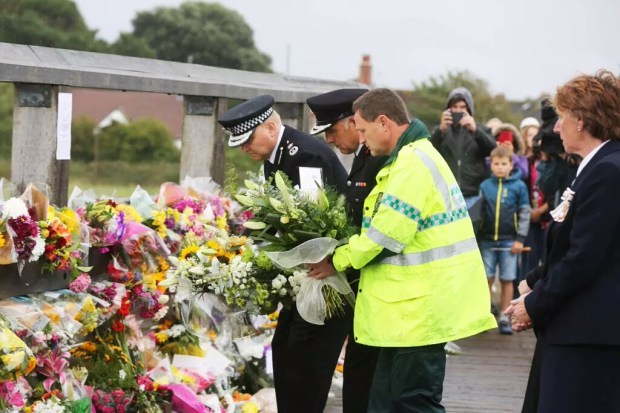
  7. We saw great kindness in Sussex on Saturday, as thousands came to pay their respects to the 11 who died in the Shoreham air crash. By laying flowers on the footbridge, observing a minute’s silence, lighting a little candle or wearing a black armband, people showed love to the bereaved and to one another. Their kindness has made a terrible time feel slightly less terrible.
  8. I’d like to think that in the UK, we might extend our kindness to the desperate people currently queuing at Calais, being smuggled in containers or risking their lives in tiny boats to cross the Mediterranean. The so-called “migrant” crisis is actually a humanitarian crisis. The people fleeing torture, war and starvation from troubled parts of the world are not “benefit – cheats”. They come from all walks of life. They are doing what any of us would do in similar circumstances. And Great Britain is not really “full-up.” Compared with them, we have great riches, including plenty of room and resources. And if helping makes things a little bit less comfortable for some of us for a while, then so what? If we were in a lifeboat, would we prevent another person from climbing in, just because we liked our own space, and leave them to drown? I hope we wouldn’t.
  9. In Buddhism, kindness is named explicitly. But as a matter of fact, kindness is the fundamental feature of all world religions, including humanism. The parable of the Good Samaritan in the Bible, after which Samaritans are named, is about kindness. People who volunteer to help others enrich our world with their kindness.
  10. There are many people who write about kindness. The blog I’d most recommend is by @johnwalsh88. Here is a link to his latest. And here is the philosophy of the author.

In the 35 years that Sara and I have been friends, she has led by example and taught me a great deal about kindness. Everyone who knows her will understand what I mean. I will be forever grateful to her for this.

This will be my last blog for a while.  I’ve a book to finish and blogging, while good practice, is too easy a distraction.

I’ll be back. Meanwhile, let’s put pressure on our government. Let’s no longer feel ashamed of images of drowned people on the shores of seas close to our green and pleasant land.

Here’s to kindness. In the end, it is all that we have to give.


Sussex will never be the same. But we stand together

Saturday 22 August 2015, lunchtime. I’m looking forward to football – Brighton and Hove Albion v Blackburn Rovers. We got back from holiday last night. Steve has gone to Storrington via the A27 near Shoreham Airport to collect William from his cattery. They should have been home an hour ago. I notice via Twitter that there has been an incident at the air show affecting the A27. Slight anxiety till husband and cat return.

At 2.15 I set off on my bike to the Amex. The air is warm and still, the roads empty. At the stadium, we learn that kick – off will be delayed as the A27 at Lancing is shut both ways. Several thousand spectators fail to arrive. We win, not especially well. People keep checking their phones for news.The atmosphere is muted. Son, 28, hugs me spontaneously.

It is only the next day, as estimates of the number who may have been killed keep rising that the enormity of that Saturday moment really begins to sink in.

As I go about my Sunday, I think of those anxiously awaiting news. The names of two 23 year olds are released as the first to have lost their lives.They were semi-pro footballers at Worthing United, en route to a match in Loxwood. One was an Albion employee, both were Albion fans. Tony Bloom, our chairman, loses his composure as he pays tribute to two lovely boys. There will be many mothers like me feeling guilty for being thankful we have no-one missing.

Monday 24 August. On the Today programme, John Humphrys allows his exasperation at the dissembling of an aviation authority representative to get the better of him. He refers to the German Wings incident and talks of “Mad people getting into the cockpit”. A gratuitous, stigmatising link. I recall an appearance myself on Today earlier this year to challenge the German Wings coverage.

A planned day out with a friend to celebrate our 60th birthdays starts with an exhibition at the Imperial War Museum. The poignancy of the loss of young lives catches me unawares.

Much later on my way home, I check the BBC website. There are now six named dead or missing, at least five more to come. The A27 will remain closed all week. The West Sussex Coroner calls for patience; the scene of devastation is beyond comprehension, and identifying the bodies is painstaking work.

Tuesday 25 August. The national media has moved on. But Radio Sussex and our local paper The Argus continue to dedicate much space to the incident. The reporting is beautiful in its sensitivity and as far from sensationalist as you could hope. Careful attention is paid to those already known to be lost, those waiting for news, the ones involved in the clear up and local people who are just shocked and stunned. MP Tim Loughton does what leaders should in times of crisis and is present, calm and thoughtful in his comments. The police, ambulance, fire and rescue teams and volunteer helpers are heroic. The NHS is doing what it does best, saving lives, or trying to. News of the pilot isn’t good but people pray for him. There is no finger pointing. But there are understandable queries about whether vintage planes should be used in air displays over built up areas. The Shoreham Airshow as we know it may be no more.

We all have mental health. Events such as these don’t cause mental illness. But they affect our wellbeing in many ways. It’s wonderful to see Sussex Partnership and the rest of the NHS offering advice and help to those who need it.

And I’m pleased to see my friend Daniel from Brighton, Hove and District Samaritans speaking about voluntary support, including Samaritan volunteers who have been making themselves available to talk to distressed folk paying tribute to the dead. I can think of no-one better placed in such circumstances.

Thursday 29 August. This morning, two days after posting the original version of this blog, I get a call from Radio Sussex. They are doing a programme on Saturday lunchtime live from Shoreham Footbridge to pay tribute to all those who have died, been hurt, have helped in the clear-up or been otherwise affected in any way. Presenter Neil Pringle has suggested they ask me to appear in the programme. I couldn’t be more honoured. I will do my best to say things that will help people.

These are troubling times. Sussex has been dealt a body blow. How can we all help one another? By standing together, being patient, thankful, hopeful, and relentlessly kind.


Nobody said it was easy…

My last blog was about the launch of the Time to Change project, working alongside two volunteer mental health trusts to tackle the stigma within mental health services. It got lots of positive comments. And a few negative ones.

In the interests of improvement, I thought I’d share the latter, see what I can learn from them and also offer my response.

The comments fall into three broad categories.

1.People who do bad things need calling out. That is the essence of accountability. This project ducks the issue.

I understand what you mean. And I agree. If someone has done something wrong, they should account for their actions. That is what any fair and just system is based on.

But…We are talking about attitudes. And it isn’t possible to change these by telling people they are wrong. And shaming or even punishing them. It doesn’t work. It can actually entrench those attitudes.

The Truth and Reconciliation Commission in South Africa recognised this. It sought to use compassion and forgiveness to build bridges between groups who had done terrible things to each other. Archbishop Tutu used the learning from this work to build his worldwide Tutu Foundation, which teaches mediation to troubled nations and groups. Underpinning it all is his belief that people are made for goodness.

Time to Change has worked on this basis since 2007. They use facts and compassion to help change attitudes. They have had significant, measurable success. This project is no different. Facing up to what is wrong is not ducking the issue. It is honest and truthful and has taken huge courage. Changing things requires sensitivity and compassion. And that’s how we will be working.

2.Teaching staff about mindfulness and compassion is bollocks. It doesn’t work. There is a “happiness industry” out there ripping public services off and laughing all the way to the bank.

I use mindfulness myself, and am proud that my ex-colleagues at Sussex Partnership have been offering mindfulness-based CBT and mindfulness meditation to patients and staff on an increasing basis for the past 5 years. It does work. There is a large evidence base.

But I agree it is not a panacea. Nor does it work for everyone. Mindfulness doesn’t fix poverty, a housing problem or unkind treatment from someone else. What it does is enable you to control your emotional response to such challenges and not allow them to define you.

Our project will use a range of methods to help staff bring their whole, most compassionate selves to work. It won’t duck from identifying the cultural, organisational and external factors which affect the delivery of compassionate care. And this won’t be easy. But we are determined not to paper over problems.

3.Someone like you (me) who has had an occasional bout of depression has no idea about the stigma of serious mental illness. Thinking you are helping by disclosing your own experiences is self indulgent shit.

You have touched one of my rawest nerves. I shared your view for many years, which was why I kept my depression to myself. Added to that, I truly didn’t believe what I experienced from time to time was depression. I thought of it more as my own moral weakness and laziness. Words like self-indulgent were designed to perfectly describe me.

But now I’ve had some really effective therapy. I’ve learned that I’m not a bad person. And that my response to distress and dissonance is to turn in on myself with self-hatred that is greater than anyone else can ever feel towards me. I become my own worst enemy. This is a major aspect of my depression.

It is true that I don’t have the longterm effects of an illness such as schizophrenia to contend with. But just because I’ve managed to muddle through my life and have achieved a few things despite not infrequent bouts of depression doesn’t mean it has been easy. Judging me for not being more disabled is pretty sick, when you think about it.

So I’m going to continue being open about what I do to try and stay well, which I am at the moment, and about what it’s like when I’m not. And I’m going to listen to the thousands of people who have told me that coming out has helped them be more open. Rather than the handful who judge me as self-serving.

At least, that’s what I will try to do.

I’m looking forward to sharing these thoughts with members of the project working group and to hearing their own experiences and challenges. I’ll keep you posted on how we are doing.

And my final thoughts? Nobody said this project was going to be easy. But nothing worthwhile ever is.

No them and us. Only we

Some people call antidepressants “happy pills”. I’m not keen on this description. In my experience, they slice the top and bottom from my emotional range and I feel neither happy nor sad. Instead, they bring a calm which is welcome but can leave me feeling blunted, even flat. I know others describe similar effects.

Antidepressants helped me go back to work very quickly after my breakdown in November 2013. Skilled care from my psychiatrist and GP, timely psychological therapy, and the kindness of colleagues helped even more. Plus an over-developed work ethic. For those lucky enough to have decent jobs, going back to work and feeling useful can play a big part in our recovery.

I mention this because I want you to understand my state of mind on 24th February 2014, 6 weeks after I went back to my job at the time, running a mental health trust. Going back to work was probably the hardest thing I have ever done; one day, I hope to feel able to share why.

Anyway, on this particular day, I attended a round-table event arranged by Time To Change. Had I not been on my medication, I might have felt the need to challenge what we were being told. Or wept. Because I and the other NHS leaders present heard stuff at that meeting that we desperately wanted not to be true. And yet deep down we knew it to be so. It was like learning about institutional racism. Only this time, it was institutional stigma and discrimination from the services we were responsible for towards people who use our services.

We heard that, despite the measurable shifts in attitude of the general public (published in July by Time to Change for 2015 and again showing small but significant improvement), attitudes within the NHS haven’t shifted. In some cases, they have got worse. And the places where they appear most entrenched, as reported by those who know, ie patients, are within mental health services. And it rang horribly true.

From this meeting was born a desire amongst a number of us to do something to change this. Five months later, at my retirement party, I listed some of the things I planned to do with my new free time. One of them was to offer my services to Time to Change to help tackle this intrinsic issue within mental health services. And although I planned to earn a modest living writing, speaking and coaching others, I wanted to do this work as a volunteer. I felt I had something to pay back.

It has taken time to set up the project. But now it is underway. Time to Change are working with two mental health trusts, 2Gether and Northumberland, Tyne and Wear. Like me, they are volunteers. The trusts were selected because they could demonstrate their readiness at the most senior level to address stigma within their own services with integrity, hard work and, most importantly for me, compassion. On the working group, which I chair, we have reps from the two trusts, four experts by experience, our full time project manager, senior colleagues from Rethink and Mind who together are responsible for running Time to Change, and two people from a social research company who are doing the work on attitude measurement.

You can read more about the purpose  and details of the project here on the Time to Change website, including quotes from those taking part.  And Community Care have published a piece about the project today.

Stigma towards those who need mental health support is alive and kicking within the NHS. It manifests itself with lack of empathy towards those who self harm or are otherwise in crisis, as described in the recent CQC report; low expectations from clinicians about future prospects for people who experience serious mental illness; lack of investment in research into new treatments; marginalisation of mental health in the way the NHS is planned and organised; and unfair treatment of mental health services by local and national commissioners in their expectations and funding decisions.

But I have high hopes. There is an absolute acceptance amongst those involved in our project that things need to change. And that instead of simply asking people who work in mental health to be more compassionate, that the change needs to start at the most senior level. We have sign – up for this work from the very top of NHS England, Mind, Rethink, Time to Change and at the trusts. And we agree that for staff to work respectfully with patients and treat them with optimism, expertise and compassion, they need to experience the same from their colleagues, including their most senior leaders, their commissioners and their regulators.

It was a long time ago that I was told by a nurse that I was a waste of space and that looking after me after I had hurt myself took him away from patients who were truly deserving of his care. At the time, I absolutely believed him. It took me many years to unlearn what he said. And it nearly broke my heart to hear, at that meeting back in February 2014, that such attitudes are still relatively commonplace today. The difference now is that we are talking about them. And acknowledging a problem is the first and most important step towards solving it.

Please don’t just wish us luck. Please join in and help us tackle stigma towards people like me and millions of others who experience mental illness from time to time. I’ve been off my antidepressants for several months now. I feel like the whole me again, which has one or two negatives but is mostly pretty amazing. And whilst I am doing lots of things to look after my mental health in my new world, who knows if I will need treatment from mental health professionals again one day?

Because there is no them and us. Only we.


Let’s not rush to judgement over Kids Company

I haven’t read every article on the demise of Kids Company. But I’ve read a few. They seem to fall into two categories: how terrible that this should have been allowed to happen. Or that its founder and chief executive Camilla Batmanghelidjh had it coming.

The truth will invariably lie somewhere in between.

I saw Batmanghelidjh speak at the NHS Confederation Conference a few years ago. I was an independent director of the organisation and felt uncomfortable, not so much for the paucity of her delivery (she read her speech of mostly incomprehensible psycho-babble and didn’t connect with what should have been a supportive audience) but more because of her intemperate, unjustified attacks on the services provided by some of our members. They had no right of reply. Nor did they enjoy her freedom to act outside clinical guidelines or good governance.

The following year I met a member of her executive team at another event. Again, psychological gobbledygook was passed off as groundbreaking work. The speaker couldn’t enumerate how many young people were being helped or what this nurturing cost or even consisted of. But she urged us to meet Batmanghelidjh, and appeared to be more than somewhat in her thrall.

I also read a recent leadership article in which Batmanghelidjh spoke in her own words of her legendary poor administration skills, how she needed not one but 5 PAs to keep her organised, and that her office was an extension of her large, warm personality and had been decorated accordingly. The photographs supported this and I recall wondering who had paid for the extraordinary artwork and upholstery.

I have been a trustee of several charities. And it doesn’t matter how small or niche you are, the first rule is that you must follow the rules of the Charity Commission and work towards creating a surplus which will act as a cushion should something go wrong with your funding or some other disaster occur. Small charities should have at least 3 months operating surplus available in cash, larger ones a minimum of 6 months. Why the trustees at Kids Company thought they were exempt from such sensible precautions is hard to say. Alan Yentob and the other trustees must carry a considerable burden of responsibility for the sudden collapse of this high profile charity.

Many people are rushing to put the boot in, as well they might given the patronage Batmanghelidjh enjoyed from senior members of the government and warm-hearted celebrities. This is no doubt fuelled by jealousy because she was such a smart operator. The sight of her continuing to attack and blame dark forces for her fall from grace throws some light on how she used guilt and guile to attract money for a cause that most of us struggle with,  i.e. the mental health of children and young people.

Nevertheless, we need mavericks like her. She may have been economical with the truth about how many young people Kids Company helped. And what they did there may have been less than mainstream. But she has highlighted that there are young people that traditional services are simply not reaching, and that these services are in any case stretched beyond all limits. For that we should applaud her efforts.

I hope that the young people Kids Company helped will find support elsewhere. And that we all wake up to the fact that, if we don’t invest significantly in the mental health of our young people, we are setting the whole country up to fail.

Camilla Batmanghelidjh and others at Kids Company should be considered on their record. Let’s wait for whatever reviews that eventually come out, and not judge any of them, kindly or harshly, until then.


Lisa’s ten mental health rules

Rules are made to be broken. And anyway, these days we have far too many of them. Those who work in public services have little hope of remembering them all.

Despite all that, I wrote this list in tribute to the wonderful work of @nurse_w_glasses. And Moses. It applies as much to regulators, commissioners, leaders in NHS trusts, local authorities, private providers and charities as it does to frontline staff.

And all humans.

  1. Thou shalt always remember that the mind and the body are intrinsically linked. There is no health without mental health. And mental health is everyone’s business.
  2. Thou shalt always present a positive image of people who need help with their mental health. It is nothing to be ashamed of.
  3. Do not take the name of people who experience mental illness in vain. Never use terms such as nutter or psycho, even in jest. We may pretend we get the joke, but inside we weep.
  4. As with religious practice, working in mental health requires humility. Do not be dogmatic or rush to judgement of others. Instead, practise acceptance and loving kindness.
  5. Honour the people who choose to work in mental health, whatever career you personally have selected. They have not chosen the easy road.
  6. Killing other people is illegal. Killing oneself is not, but it carries huge stigma and casts a terrible shadow over those left behind. Learn how to help prevent suicide. And never condemn those who might consider it. They need your understanding if they are to seek help.
  7. Mentally ill people can be trusting and vulnerable. They may lack inhibition. Never abuse a position of power physically, sexually, financially or psychologically.
  8. Never treat people who experience mental illness with anything other than compassion and patience. If they make you feel angry or mean, get some help yourself.
  9. Try to tell the truth about mental illness and the current state of services. This is neither easy nor straightforward. They need serious attention and investment in the UK. There are no quick fixes. But relatively little will go a long, long way.
  10. Be hopeful about mental illness. Those who experience it from time to time can lead full and rewarding lives, with just a bit of love and support.  Like me.