mental health

Let’s stop being mean about people who are fat

This is an update on a blog I wrote earlier this year. I’m reprising it because of the fuss this week about Public Health England’s report into obesity and the Prime Minister’s apparent refusal to consider a possible tax on sugar.

Fat-shaming is a recent phenomenon. People who do it include doctors, nurses, NHS managers, politicians, journalists, comedians and ordinary folk like you and me. And it is weird, because according to statistics, over 60% of us in the UK fall into the category of people being vilified for our weak will, stupidity, greediness and for costing a lot of money in unnecessary healthcare.

I write as one who has done it as well as had it done to me.
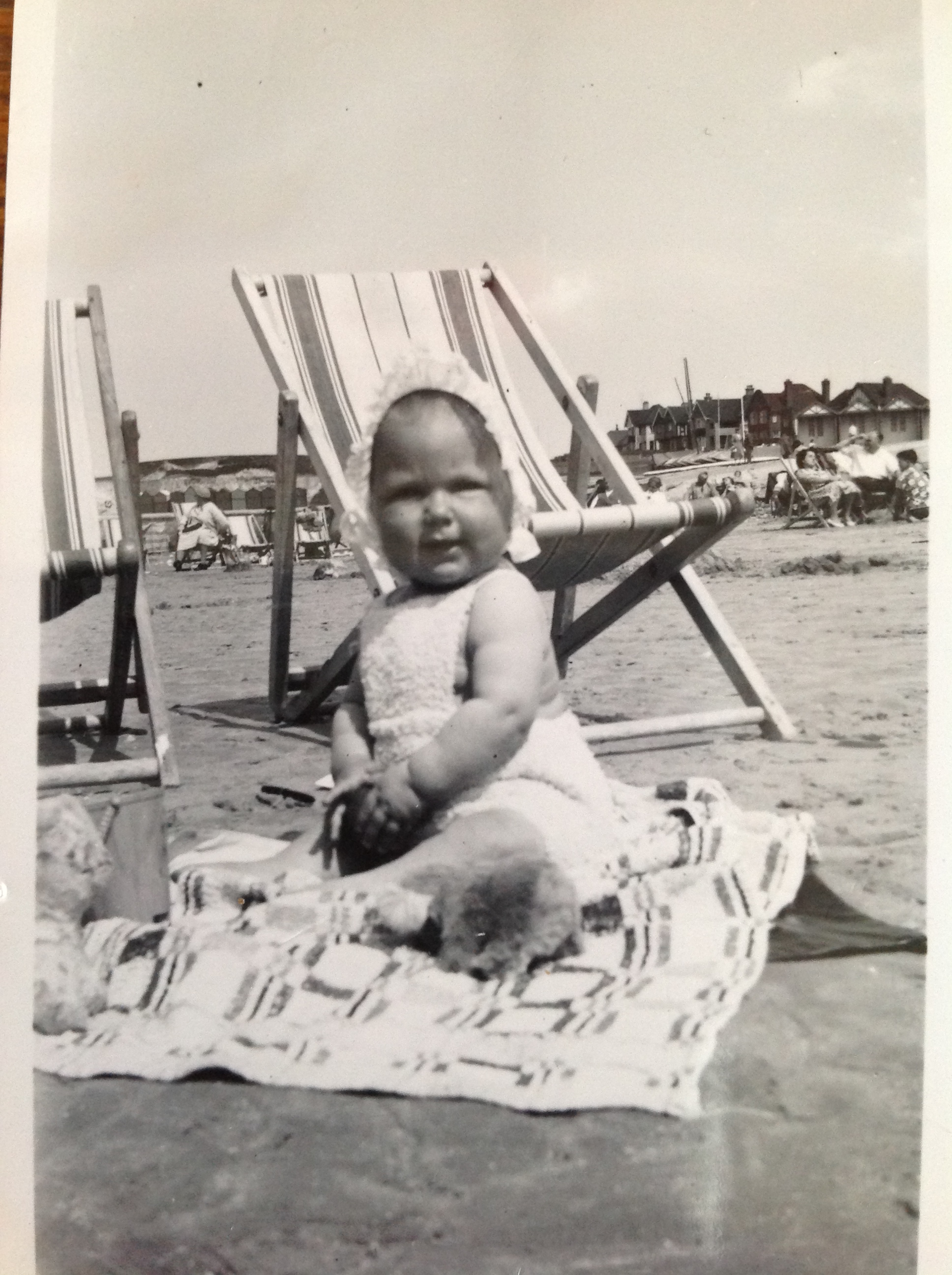
I always liked the beach

I always liked the beach

Here’s me as a baby. Fully breastfed, I grew bigger than my tiny mother almost before I could walk. I take after my father. I am robust. I love my food.

Humans are built for survival. Some are wiry and can run fast for long distances. Others have staying power. In an emergency situation, chunky people like me can cope with cold and hunger because we can survive on our fat stores. We are the polar bears and the Arctic seals of the human race.

But our modern Western world has played havoc with these survival characteristics. As long as you have money, food is plentiful. The least nutritious, most fattening sorts of food are often the cheapest. And the combination of sugar, fat and salt in many processed foods such as cakes, biscuits, chocolate, ice-cream, crisps, milkshakes and even bread is, apparently, addictive.

This Ted Talkthis Ted Talk is enlightening. It helped me understand why losing weight is so hard. When you have gained weight, your body quickly adapts to being bigger, and adjusts your metabolism accordingly. Resetting the metabolic rate is extremely difficult. Once you have lost weight, you will probably have to eat fewer calories for the rest of your life to maintain your reduced size, even with regular, vigorous exercise. So you are fighting not only an addiction, but also your own nature.

And there is another factor. Many modern medications, particularly those used to treat various sorts of mental illness, have the unfortunate side effect of increasing one’s appetite. People taking them find they feel hungry all the time, and not surprisingly they eat more. I finished my antidepressants six months ago. Yet I have at least half a stone to shift, and despite extensive motivation and knowledge, it is proving a struggle. I know from chatting to others how distressing it is to gain four or five stone very quickly, with all the disability and stigma that goes with being overweight to add to the burden of the mental illness for which you have to keep taking the medication that leads to the weight gain.

I know people who have been to the doctor and been encouraged to lose weight. And then they buy a newspaper and are told that if they also buy a monster size bar of chocolate (which contains more calories than they need to eat in a whole day but no protein, vitamins or roughage) the newspaper will be free. If it were cigarettes or drugs, we would be horrified.

Given the cost to the NHS of obesity, with its links to heart disease, strokes, Type 2 diabetes, cancer, arthritis and other long-term disabling conditions, not to mention depression, anxiety and agoraphobia linked to body image and self worth, you would think that investing in prevention and effective treatments for obesity would be the place to start.

There is mention of this in the NHS Five Year Forward View. But until this week, there has been no systematic appraisal of the best ways to help people achieve and maintain a healthy weight, nor is there a coordinated, evidence-based commissioning approach to weight-loss and healthy weight maintenance services. Public Health England have produced a report about sugar, but we have learned this week that it has been witheld. Who knows what the real story is about who did this? I don’t really care. I just know that leaving obesity to individuals to tackle is unfair, ineffective and helps mo-one but the commercial giants who sell us all the stuff we don’t need.

Our current attitude to obesity is bizarre. Let’s tackle the food giants who push processed junk food at us from every direction possible. Let’s publish the economic appraisal to prove that helping people rather than criticising and lecturing them would in the end save a lot of money and even more unhappiness.And most of all, let’s stop blaming people for doing what comes naturally.


Ignore Russell Brand and vote for mental health

I start by declaring an interest. I really like The Right Honourable Norman Lamb. He knows his stuff on mental health. His values are sound, and he is an unassuming, witty and extremely kind man. He has also been dealing with distressing family issues and still managed to maintain focus on his job as Minister of State for Care and Support. Senior staff at NHS England such as Professor Sir Bruce Keogh vouch for him “holding our feet to the fire on mental health.”

Yet I became tetchy on reading the Liberal Democratic manifesto mental health promises yesterday. It feels a bit rich that a party that has been in power for a full parliamentary term, albeit as a junior partner in a coalition, should be making promises now after 5 years of not making these things happen.

My supporting evidence:

  • I:4 of us will be mentally ill in any one year, according to the Mental Health Foundation. Yet mental health services are still the poor relation within the NHS family, missing out on new money and bearing the brunt when public sector “efficiencies” are required, as they have been during the last parliament. Under the coalition, this imbalance has grown measurably worse. The funding promises made in yesterday’s Lib Dem manifesto will to some extent redress the balance – but only if they come to fruition.
  • I will need persuasion to believe that we will see this money, given the promises made in 2010 not in the last Lib Dem manifesto, but after the coalition government was formed. I was chairing the Mental Health Network of the NHS Confederation at the time, and was invited to speak at the launch of the coalition’s mental health strategy alongside Mr Lamb’s predecessor Paul Burstow. We felt excited and optimistic that parity of esteem between physical and mental health services was being promised at the start of the new parliament and ahead of any other health announcements. What happened?
  • Children’s mental health services, one of the top priority areas in the manifesto, are in a state of particular crisis. This is because of cuts to local authority funding of front-line services in schools and those provided by the third sector, reductions to NHS community services, substantial increases in referrals linked in part to the downturn but also modern pressures felt by young people. There has been near-chaos in the commissioning of these services arising from changes to the NHS and Social Care Act, which although a Conservative-led initiative which they now admit was a mistake, could have been halted or at least improved by the Lib Dems. One of the most troubling outcomes is that sick children now wait regularly in police cells while desperate clinicians and managers scour the country for a suitable hospital bed. Staff are overwhelmed, and parents are desperate. Given that 75% of mental illnesses start, as mine did, before the age of 18, and that early intervention is now known to make such a difference, this situation is not only cruel, it is also extremely short-sighted.
  • According to W Edwards Deming, if you don’t measure, you can’t manage. Mental health services have been crying out for a commissioning currency so they aren’t expected to respond to infinite levels of demand under open-ended block contracts. They need national benchmarks, targets and some form of payment by results, otherwise bids for increased funding will continue to be trumped by those for diseases such as cancer or heart disease, where there are a wealth of measurements. This was promised by the last Labour government in 2005 and by the coalition in 2010. It appears again in this manifesto; if the Lib Dems help to form the next coalition, will we be third time lucky?

Here are Royal College of Psychiatrists’ President Professor Sir Simon Wessely and Time to Change ambassador Alastair Campbell explaining why in their view, when it comes to mental illness and mental health care and support, government actions speak louder than words.

It’s not just the 1:4 of us who experience mental illness who should carefully consider these promises and those made by each of the other political parties. 4:4 of us will be voting on May 7th, or rather, we have the right to vote that others have died to get for us. This will apparently be the closest election in a lifetime. We have the greatest ever diversity of candidates. If we don’t each exercise our democratic right, we risk allowing those more certain than us about matters as important as mental health to decide who will run the country.

According to pundits, the outcome of the election is likely to be another coalition with at least two parties. This time, whoever forms the new government, I intend to make a fuss right from the beginning about funding and evidence-based support for mental health services. The more of us who do, the more they will realise that we mean business.

The recent dog-whistle headlines about the aircrash co-pilot show that we have a way to go in tackling the stigma of mental illness. So please ignore Russell Brand and vote; being disenfranchised would be really bad for our mental health.


I think we are pretty amazing

I didn’t sleep much last night. I’d agreed to go on the Today programme at 07.40 to give my perspective on this week’s coverage of the terrible plane crash in the Alps, particularly the implications that it was caused by someone with depression.

I only came out about my own experiences of depression a year and a half ago, even though it has come – and gone – since I was 15. I’m not unusual; 75% of mental illnesses start before the age of 18. I’m also not unusual to be shy about sharing. There is still massive stigma. Including self-stigma, in which I am an expert.

Very gradually, things have become easier for the 1:4 people who experience mental illness, through campaigns such as Time to Change. Or so we thought.

I’m not going to repeat how disgracefully the majority of the print and even broadcast media have behaved this week. Others including Matt Haig, my 17 year old Twitter friend Stella and Stephanie Boland have done so much better than me.

And deepest thanks to Paul Farmer, CE of Mind, Sue Baker, Director of Time to Change and Professor Sir Simon Wessely, President of the Royal College of Psychiatrists for being so quick off the mark and setting the record straight. They have done a stunning job.

What I want to say is that, every time I have an opportunity to speak about the stigma that still affects people like me, I feel a little more nervous. It is an increasingly heavy burden of responsibility. For some, the impact of their mental illness means they lack the voice and opportunity to speak for themselves. They have to rely on others. And that means those of us who can must act with great sensitivity and respect. Including towards those who have lost someone to suicide, anorexia or lack of self-care.

Mental illnesses, by definition, mess with your head. They make you believe horrible, negative things about yourself, question your worth and the very point of your existence, and cause you to feel hopeless about the future. In some cases, people lose touch with reality. They hurt themselves, either deliberately or by failing to take due care. It is rare that they hurt other people. Far more rare than people who are NOT mentally ill hurting others.

There are other illnesses that carry stigma, but mental illnesses are in a class of their own. The media coverage this week may have set matters back.

But what gives me hope is that after speaking on the radio, I have heard from hundreds of people I didn’t previously know via social media. Many are like me, timidly but courageously speaking up about their own experiences in order to encourage people who are ashamed of their mental illness to seek help.

Together, we can metaphorically hold hands, step forward together and show that we aren’t murderous monsters. And that, with love, support and most of all our own courage, we can make a creative and compassionate contribution to the world.

Thank you to all my old and new friends. I think we are pretty amazing.


Sometimes it’s good to feel angry

One effect of antidepressants is to knock the top and bottom from one’s emotional range. After dark weeks of despair, self-loathing and nothingness of my most recent depression, I welcomed this. It was a relief to feel calm, even blunted.

Now I’m on a reducing dose of medication, I notice a gradual return to a more responsive emotional state. I’m more joyful, sometimes a little more anxious. And I find myself getting angry again about things that matter to me.

Actually, I felt angry today.

While it’s great that NHS England and the government recognise the need to invest in children and young people’s mental health services (CAMHs), why has it taken so long to find this out? And why is investment an election manifesto promise, rather than simply the right thing to do for our young people?

I have two interests I should declare.

  1. I ran such services for 20 years, including 13 as a chief executive.

  2. I first saw a psychiatrist myself aged 15.

The current system isn’t working. But we need to understand how we reached this position, or we risk not improving things far enough, even at all.

CAMHs staff are, almost without exception, amazing people. They don’t look after one patient at a time. They deal with the complications of whole families. They have extraordinary skills, vocation, patience and perseverance plus bucket loads of compassion. But across the country, many are fed up with being blamed for failing children and young people. Because they aren’t failing them. We all are.

The current “commissioning” arrangements could not have been more badly designed unless they were intended to be poor value and counter-productive. It is unacceptable that the different “Tiers” of care are purchased by unrelated parts of the so-called “system”. And that when children fall between the gaps, it is the clinical staff and their employers who face the blame.

Local authorities are under even greater financial challenge than the NHS. Many have made massive cuts to the first line, lower tiers of these services, or made them even harder to access than the higher, NHS tiers. Yet their members sit, by statute, in judgement of the NHS through Health Overview and Scrutiny Committees. Watch me and colleagues participating in this arrangement at Kent County Council a year ago, during which time one councillor publicly suggested that commissioners had set up the trust and staff I then led to fail.

Commissioners of such services have in many cases not been given the chance to argue for increases in resources, or even to defend the services they commission from cuts. Some have even felt the need to assert that providers were exaggerating the now-proven, substantial national increase in referrals. The causes are multi-faceted.

In many unrelated parts of England, services are inundated and can’t cope. Crises occur daily and children wait in police cells to be assessed by hard – pressed clinicians who know there are no beds available anywhere in the country even if the child is in desperate need of admission.

3 useful facts:

  •  Anorexia isn’t a young person’s lifestyle choice. It is a serious mental illness that, without effective treatment, carries a 30% mortality rate.
  •  Psychosis is like cancer. The earlier it is diagnosed and treated, the better your prognosis and the least likely it is to recur. The same is true for most other serious mental illnesses.
  •  75% of mental illnesses start before the age of 18. Like my depression

My 8-point plan for NHS England

  1. Do not ask management consultants or experts in commissioning to design solutions. Ask the people who know. The ones who work in and run these services
  2. Stop setting organisations against each other by competitive tendering. This may be OK when you have time, but with this, you don’t.
  3. Commission one local statutory organisation in each area under the greatest pressure to be the system leader for all aspects of CAMHs except secure care, with commissioners working within the local system. Avoid competition challenges by declaring an emergency, setting targets for engagement with CCGs and GPs, and requiring the lower tiers to be expanded and provided outside the NHS, either directly by schools and/or the not-for-profit sector. Do this for long enough to allow things to settle and thrive, ie a minimum of five years.
  4. Don’t allow anything to cloud your judgement. It isn’t social care good, NHS care bad. Or vice versa. CAMHs teams should be multi-disciplinary and multi-agency. Parents and children don’t care who staff work for. What they care about is getting help that is responsive and effective.
  5. Carefully consider secure services for children and young people. Are they good value? Clinically effective? Compassionate? Safe? And are children in these services only because there are insufficient non-secure services? Only national commissioners can do this.
  6. Work as hard with the next government for increased funding for CAMHs as you would for heart disease or cancer care, were these services in an equally challenged state.
  7. Celebrate the amazing staff who do this work. Encourage ministers, the media, CCGs, trusts, schools and the third sector to do the same.
  8. Imagine what you would want for your children, were they suicidal, self-harming or hearing voices.

What could matter more?


Pride and Prejudice: post NHS Change Day ponderings

20.30 from Birmingham New Street to London Euston

20.10 Birmingham New Street to London Euston

You know how it is. There’s been a big event in your life – a special birthday or a wedding. Even NHS Change Day.

Now the party’s over. Everyone’s gone home, you’ve done the clearing up and read the thank you texts. You’ve got a hangover and sore feet from dancing till dawn. And you feel a bit flat. And you wonder what the point of all that fuss was.

I was feeling a bit like that the day after NHS Change Day. Maybe you were too? I’d given my all to various events in Birmingham. I was made extremely welcome by amazing people at Birmingham Children’s Hospital, at Birmingham Community Trust, at two children and young people’s mental health services and by patients, users, carers and staff at a West Midlands Health and Care Voices event in the evening.

It felt very special to share thoughts with patients and staff about things we all care very much about. Everyone seemed up for playing their part in changes that needed to happen. And our NHS Change Day: Time To Change campaign also seemed to hit the mark for many of the folk I came across.

A student nurse called Ellie did something on NHS Change Day that I didn’t have the courage to do until I was 58. In this blog, she beautifully describes what happened to her in front of 40 other people. In our Time to Change video, I ponder what may have made me take so long.

So that’s the pride part. I felt proud of my small contribution to NHS Change Day.

And the prejudice? It was to realise that some of the naysayers also had a point. While NHS Change Day 2015 has been amazing, people who have never heard of it continue to do stunning stuff. Like my friend Alison, a sister in a hospice, who with her colleagues care for dying people with such skill and compassion, I defy anyone not be able to learn something from how they work. Their hospice is one of the most joyous and hopeful places I have ever been invited to visit.

Or another friend, a clinical leader in an acute hospital, battling to get colleagues to see people with dementia for what they really are, human beings with wants and needs, rather than “inappropriate admissions” or “delayed discharges”. Or a third friend, a health visitor with a caseload so huge, and with clients with so many complex health and social problems, I cannot imagine how she is coping. But she is, as are so many others like her.

On Friday, my mother and I went to visit my auntie, her only sister, in her care home. Most of the staff who work there earn not much more than the minimum wage. As always, we were moved by the tenderness shown towards those living at the home. These staff truly love the frail and confused people whose care has been entrusted to them.

People like this don’t need a special day. What they do every day is extraordinary.

The NHS has to change. We cannot go on as we are. It’s an honour still to be involved, as a helper now rather than a leader, and to play a small part in bringing some of those changes about. NHS Change Day is an enabler. But it is no more than that.

Life, and death, continue 24/7 across all parts of the NHS and the services that support it.

If you work in the NHS, I hope you had a wonderful NHS Change Day. Thank you for what you do every day. I am most humbly grateful.


#NHSChangeDay is not a distraction from #Kirkup. It is how we will fix things

This week, a number of people have been challenging those of us involved in NHS Change Day to demonstrate its value. Particularly in the light of the Kirkup report about what went wrong with maternity services at Morecambe Bay Hospitals over an extended period.

For example @GeorgeJulian wrote this interesting blog.

There are others questioning whether NHS Change Day is a cult, a cheer-leading exercise led by those with not enough to do, a distraction from the grindingly hard work of running the NHS without sufficient resources, even an opportunity for organisations to put a gloss on how tough things are for patients and staff.

I can see why they might think that. I have another take on it.

The Kirkup report was shocking, for me even more so than the Mid Staffordshire Hospitals report. It got to the heart of what can go wrong when staff go rogue and collude, when key professionals who should be working together in harmony for the benefit of patients declare war on one another, when clinicians are simply not competent to practice, and when managers, commissioners, regulators and even the ombudsman indulge in a form of magical thinking, ignoring the evidence of high rates of death and other serious incidents and accepting assurances that should never have been given. The courage of families, including the man who worked at the hospital and lost his wife and new baby, and James Titcombe and his wife whose baby son Joshua died, has been extraordinary. We owe them a debt of gratitude for never giving up and continuing to insist that the evidence must be looked at properly.

So how can NHS Change Day help? I write now as a nurse and a manager. There have been many times in my 41 years when I have been aware of something not being right. The first time I blew the whistle, I was just 18 and hadn’t even started my nurse training. You’ll have to wait for my book to read the details; suffice to say, I was ill-prepared, it didn’t go well and I was sent away with a flea in my ear. Sometimes it was me that made mistakes, sometimes it was someone else; these things can happen, and we were rightly taught always to own up if we had erred. But what about the surgeon with the shaky hands that everyone was expected to ignore, or the night sister who slept in the laundry room when she should have been supervising us? Who wants to be hated for being a sneak and reporting people who are liked, or may be experiencing personal problems?

My blood ran cold reading about those midwives at Morecambe Bay. They reminded me of maverick teams I have known. Teams who are brusque and unwelcoming however hard you try to engage them, who repel enquiries, describe managers who visit their services and ask questions as interfering, or even talk about bullying if an aspect of their working practice is questioned. And what about more senior clinicians, such as doctors, who are described by colleagues as brilliant but eccentric, and can be extremely unpleasant and difficult to deal with. The ones who write you long letters describing, with great charm, the stupidity of your ways for trying to introduce a change to improve the experience of patients. These people are the exception, but they have a massive impact. I can remember as an executive being told by a senior clinician that to expect to see the results of their clinical audit reports was tantamount to a slur on their professional standing. Eventually a brave junior member of staff blew the whistle on this person. They were dismissed for gross misconduct, upheld on appeal. But despite a ton of evidence, their regulatory body decided to allow them to continue in clinical practice.

The point I am making is that it isn’t easy to be a whistleblower, nor is it straightforward to tackle poor practice. The law is loaded on the side of employee rather than the employer, rightly so, but in healthcare this can and does affect patients.

Initiatives like NHS Change Day are the antidote. They put patients and caring, committed, non-defensive staff where they belong, in the driving seat. Leaders, including patient leaders, set the direction and tone, patients and staff come up with the ideas, and managers support them to deliver these together. Those who object to the change being proposed have the opportunity to discuss it and put the alternative case forward. Ultimately, the majority will decide. Encouraging an open, enquiring culture that is always seeking to improve practice is the best possible way for the NHS to become safer and more compassionate for patients and the vast majority of staff.

It isn’t easy always to be open to change, but we should all be learning and improving continuously.

I’m leading the Time to Change initiative for NHS Change Day. This video explains why – the key bit is from 3 mins 20 seconds. I hope it explains why I feel so strongly about change and in particular, reducing the stigma of mental illness within the NHS.

Thank you.


What I have learned through recovery

An episode of clinical depression isn’t sadness. For me, it starts with brittleness and a growing sense of doom. I stop sleeping and become increasingly irrational and irritable. Beyond a certain point, I am unable to ignore or control it. Eventually, something snaps. I am smothered by a suffocating blanket of nothingness. The only feelings to permeate are deep guilt and self-loathing. All perspective is gone; I ruminate endlessly over things I have messed up and those I have hurt. I am frozen, unable to speak, or crying. The tears do not soothe. I detest myself.

Luckily I don’t feel like this all the time. Having been on my latest road to recovery for the best part of a year, I have learned a few things about looking after myself that I want to share.

  1. Choose to be all of me: having learned that it is so much better to be open about my experiences of mental illness, I now have to work hard at not allowing depression to become my defining characteristic. It is just one thing about me.

  2. Expect less: if someone likes something I have done, that’s lovely. But I need not feel disappointed if they don’t.

  3. Mindfulness: live in the world and be in the moment. Enjoy the little things – rinsing a cup, the warmth of the cat’s fur. Stop rushing.

  4. Going out: notice how exercise in the fresh air, even in wind and rain, makes me feel strong and alive. Embrace it and do more.

  5. Stop ruminating: I’ve wasted a lot of time going over and over things. It is important to learn lessons when something goes wrong – CBT has taught me to face the difficult stuff with less fear. But knowing when it is time to move on is a skill that needs frequent practice.

  6. Choose to forgive: This goes with number 5, and I like to think I am better at it than I was. Again, I have to practise every day.

  7. Create order from chaos: people think I’m tidy, but the more distracted I am, the messier I get. I have learned that, on a day when I am feeling low or anxious, I need to create order. Write a list, tidy a shelf, weed a flowerbed – completing a small task that brings order is soothing.

  8. Buy less stuff: I thought I loved shopping, but it made me feel guilty to spend money I couldn’t afford or could have given to someone more in need. Now I try to buy less. Except fresh vegetables.

  9. Make do: this goes with 8. I gain increasing satisfaction from mending things, making something from something else, or giving something of mine to someone who can make good use of it.

  10. Treating myself: on bad days, addictive substances such as alcohol, caffeine and chocolate can seem like treats. It takes some of us a lifetime to learn that they aren’t. A soak in the bath, a walk by the sea or some quiet contemplation in a sacred space can feed the soul rather than flooding the brain with dopamine.

  11. Competition: for me, best avoided, except with myself when trying to improve personal performance.

  12. Listen hard: I used to miss so much or misunderstand because I was too busy interpreting what people were saying and working out what response I should give. I am learning the value of listening really carefully. It is amazing what you hear when you listen properly.

  13. Don’t shy away from things that feel difficult or scary: it takes huge courage even to leave the house when you are in the early stages of recovery from depression. Standing up in front of 200 people in my first week back at work, I wanted to die. But I am so proud that I did it. I have found that, as I get better, I thrive from the boost to my endorphins that comes from feeling fearful yet excited about a new challenge, preparing carefully and managing my nerves so that I do a good job. I feel very lucky that in my new world, there are plenty of opportunities.

  14. Stop pretending: when someone asked me how I was, I used truly to believe it was a dereliction of duty to say I was anything other than great. I have learned to tell the truth about how I am – some days I am good, and some just OK. And when I am not OK, I am better at saying this too.

  15. Choose kindness: people have often said of me that I am kind and generous. This came at a cost. I have learned that to be truly and effortlessly kind, one must start with oneself. The love I feel for other people and the kindness that flows from me towards them has multiplied as I have let go of negative feelings towards myself. I am far from perfect and still have many faults, but I am worthy of love. This helps me to help others more than I ever could before.

These are just my thoughts; if they help someone else, that’s great. But please, don’t shout at me if you disagree. We are all different. And that’s what makes us so amazing xxx


It’s #NHSChangeDay. And it’s #TimeToChange

My blog today may be the most important thing I write this year. So forgive me if I seem to be plugging it rather a lot!.

We all have mental health. And we all experience mental distress from time to time. But only some of us (1:4) get mental illness. This 3 1/2 minute video explains it well.

One of the hardest things about mental illness is the stigma associated with it. From society but also family, friends and work colleagues. But most of all from ourselves. It stops us seeking help. For example, people wait a year on average before talking to someone else about their depression. This delay causes great suffering and harm.

Time to Talk Day  took place last Thursday, part of the national Time to Change campaign. The purpose of setting aside a day every year is to open up conversations of just 5 minutes between people, and to help each other. I had some amazing conversations via Twitter and face to face with people, including at a reception for the national mental health heroes held by Nick Clegg, Deputy Prime Minister.

You may feel that politicians are jumping on the mental health bandwagon in the run-up to the General Election. But I think that’s OK. Because after the election, we can join together and hold whoever is elected very firmly to account to make sure that mental health services stop being the Cinderella of the NHS that they still are. It’s not enough for politicians to say nice things. We need carefully thought-through policies that make a positive difference, and significant investment in real terms over the life of the next parliament.

Stigma has many other negative impacts as well as on policies and funding. Time to Change have found that, while the public are gradually improving their attitudes towards people who experience mental illness, there has been no discernible improvement of attitudes within the NHS. In fact some people who use mental health services say things have got worse.

This produces all sorts of horrible results:

  • People with mental illness can be treated without the compassion and respect that are essential for effective health care
  • People with mental illness may not receive the treatment that they need in a timely manner. They may have to fight to get the right care. And they may not even receive the right treatment at all
  • The links between mental and physical illness can be forgotten or ignored, causing detriment to people with either or both. For example, people with serious mental illnesses die on average 20 years earlier than the general population, often linked to preventable diseases such as heart and/or lung diseases, some types of cancer and strokes. People are people, not single diseases
  • People with mental illness report that NHS staff can have a pessimistic outlook on their life chances, including relationships, education, employment and social contribution
  • Staff who work in mental health services can be blamed for things that are not their fault, or criticised for not providing a service when it hasn’t been commissioned or adequately funded
  • NHS staff who themselves experience mental illness often feel the need to hide it from their colleagues, and when applying for jobs. Mental illness is not seen as something to be proud of overcoming in the way that some physical diseases are portrayed

Part of our #NHSChangeDay #TimeToChange campaign asks NHS staff who have experience of mental illness to consider talking about it with their colleagues. Please be assured, we are not in any way pushing people to do this. We ask anyone who is considering doing so to think about it carefully, and look after themselves, including getting support. There are some good resources here. I know from my own experience how hard making such a disclosure can be, and how significant are the ramifications. But that takes us back to stigma. It really shouldn’t be so hard. And if we cannot be compassionate towards our colleagues who may be experiencing mental illness, how can we, and they, be expected to be compassionate with patients?

When we find ourselves troubled about something that we hold dear, it is human to want to disagree. Or run away. I felt very upset when I first heard the findings of the Time to Change research, and wanted to say no, surely it must be better than this. But then I listened again, and realised that, unless we face up to what has been uncovered about attitudes within the NHS, things will never improve.

If you have 6 minutes to spare, you can watch me talking about it here. Including the long-lasting effect that one nurse’s probably unintentional lack of compassion had on me, also a nurse.

The #NHSChangeDay #TimeToChange campaign aims to tackle this stigma within the NHS head on, with compassion, but also with wisdom and hard work. From it, we are building a programme within Time to Change that we hope will leave a very important legacy for NHS staff and patients.

Whether you are a patient or an NHS clinician, a catering assistant or a Chief Executive, please join us. Everyone can commit to one of our actions or create an action of their own. It’s NHS Change Day on 11th March 2015. And it’s Time to Change.

Thank you.


On Forgiveness

Drawing by Mandy Assin: Lisa as imagined after retirement

Drawing by Mandy Assin: Lisa as imagined after retirement

” In spite of everything, I still believe that people are really good at heart.” Anne Frank, written 1943, published 1947

“To forgive is not just to be altruistic, it is the best form of self interest.” Archbishop Tutu, 2010

Forgiveness is not only compassionate towards those who have done us harm. It is also good for the person doing the forgiving.  And yet, in our social media driven, accountability-obsessed world, we forget this. We seek to apportion cause, responsibility and blame within moments of the occurrence of an event that seems adverse. And then we look for retribution. Even when the case for responsibility is far from proven.

Take Dame Fiona Woolf. The initial chair of the Independent Panel into Child Sex Abuse was the eminent judge Baroness Elizabeth Butler-Sloss. She stood down because her deceased brother, Lord Havers, had been Attorney General at a point to be covered by the inquiry. Woolf, also an eminent lawyer, was hurriedly named by the Home Secretary as her replacement. It then emerged that another former member of government, Lord Brittain, might come under scrutiny during the enquiry (he since died of cancer). Woolf was open about the fact that he was a neighbour and had been to her house for dinner. A media furore ensued, and she resigned from the chair role at the end of October 2014. As her damehood was being announced in the 2015 New Year Honours List, there were calls for it to be rescinded for no reason other than that she had accepted a difficult public task.

You may not care much about Dame Fiona. She is a powerful figure. And you may not care for the honours system. But what about the nurse Jacintha Saldhana? She fell for a not-very-good hoax call to a private hospital by two Australian DJs pretending to be the Queen enquiring after the welfare of the Duchess of Cambridge during her last pregnancy. The call was played across the international media. Some people thought it hilarious, others immediately criticised inadequate security. Then it transpired that Jacintha was so ashamed, she had taken her own life. Public vitriol at once turned on the young DJs, and there could have been more tragedies.

Human beings are flawed. We all make mistakes, some of which only turn out to have been mistakes with the benefit of hindsight. When things go wrong, people need encouragement and support, so they can learn from their mistakes and improve their practice. They may need help to forgive themselves. Unless they have purposely set out to do wrong and are unrepentant, the last thing they need is public criticism. It is particularly damaging for public servants such as teachers, nurses, doctors and managers to have their motives and competency questioned by those who know little of the events in question and have never been in the position of having to do the skilled, difficult work from which the perceived error arose.

These judgemental unforgiving attitudes to mistakes cause collateral damage. The Independent Panel into Child Sex Abuse seemed unlikely ever to happen, although it is excellent news to be able to edit this post on 5th February 2015 as a third, truly independent chair has been announced. It is much needed so that the survivors can finally be heard. But sadly, since the approbation of social workers and social service departments arising from investigations into the Baby Peter case, social work practice has become measurably more conservative, with more children being taken into care, and a national social work recruitment crisis.

Judging without forgiveness makes the people doing the judging feel angry, dissatisfied and unhappy. As Archbishop Tutu showed through his remarkable leadership of the Truth and Reconciliation Commission in South Africa, and in his teachings since through the worldwide Tutu Foundation, there is no future for humans without forgiveness.

The words of Gordon Wilson, speaking on live TV just after he had held the hand of his dying daughter as they lay buried in the rubble of the Enniskillen IRA bombing were “I bear no ill will. I bear no grudge”. His calls for forgiveness and reconciliation helped lay the foundations for the eventual peace in Northern Ireland.

Throughout my career, I have tried to be honest when things haven’t gone as well as they might. I have expressed regret and apologised for failings and perceived failings, and listened and learned from people affected. This has led to improvements. But you have to keep listening.

And I have had my share of media criticism (as most chief executives do) including some unpleasant social media. This tends to be more vicious and personal when one is a woman. I began blogging and tweeting myself because I wanted to share more of who I was and what I was thinking with staff, patients and the public, and get their views directly. Although it has been difficult sometimes, I truly believe that leaders of public services do better by being open.

Some people believe that being active online makes you a target. I have thought hard about this, and I don’t accept it. It feels similar to blaming the victims of rape or other assault for putting themselves in harm’s way.

In September 2013, I announced my plans to retire from my chief executive job the following summer. I then took a big decision, to share for the first time a little of my experiences of mental illness which had occurred off and on since the age of 15. A few weeks after the second of these, I experienced a sudden onset of clinical depression, my worst ever episode. When I went back to work at the beginning of 2014, I had compassionate support. But there was also some nasty social media, just this side of legal. It continues today; it has taken a long time to learn not to look at it.

My breakdown wasn’t caused by anything anyone said about me on the internet, and I got better despite it. The causes were far more fundamental than that. It was my time to change, and I am really pleased that I did.

Because I am better now, I am able to let go of my feelings about people who say unkind and untruthful things about me. I forgive them because I imagine they must be dealing with a great deal of pain themselves. I feel lighter and better for this.

If you are online and thinking about posting a comment on someone’s appearance, motives, or actions, or even making something up about them, think about whether you would say that to their face. Not as a member of an anonymous crowd, but if you were sitting down together, as two human beings. And think about why you are reacting to them in the way you are. Jung said that we can be disturbed by those who reflect aspects of ourself we are less comfortable with; is this something you need help with yourself? I know I sometimes do.

And when someone says something unfair or cruel about you, which can happen to any of us, try very hard to see it for what it is, a remark that may say more about the other person than it does about you. By all means listen to see if you can learn from it. They may well have a point, and you can work on this. But please do not let it destroy you.

As Archbishop Tutu says, whatever mistakes any of us has made, we are all made for goodness.

POST SCRIPT, WRITTEN ON #TIMETOTALK DAY

After publishing this blog, I was pointed to a wonderful radio broadcast This American Life on cyber-harassment which is really worth a listen. A leaked internal memo shows that the CE of Twitter knows they have to do better about cyber-bullying on their platform.

And then one of the women featured in the American Life programme, Lindy West, wrote this very powerful piece about confronting someone who had said truly terrible things to her on the internet. The extraordinary results show that we must never give up on forgiveness, however hard this may be.  Even though today is #TimeToTalk day and I may sound like I’ve got my act together, forgiveness is as hard for me as it must be for any of you reading this.

UPDATE ON MY LAST POST

The trouble with listening to other people is you end up changing your mind…which is the point, I guess!

Last night I chatted briefly via Twitter with Professor Louis Appleby about the proposed “target” for suicides being zero. I got his assurances that the intention is to have shared aspiration and concerted effort towards a significant reduction rather than an aim of absolute zero. I also heard from Dr Alys Cole-King who shares his views – we have a phone call booked this afternoon to talk about how I might help with her research and how she might get involved in Time to Change.

At the Guardian debate last night, I challenged the panel to say what they were going to do personally to make sure such a policy would not have the perverse impacts feared by me and many others who, from time to time, experience suicidal thoughts.

Their answers were really thoughtful. I know some people doubt The RH Norman Lamb‘s sincerity when he says that he has been battling for mental health within the corridors of Westminster since he was appointed as Minister in 2012. But I believe him, as I do his shining conviction for much greater aspiration for people who experience mental illness, and the importance of removing silos across health and social care. I was also convinced by Professor Sir Bruce Keogh who is not afraid to speak his mind, but engages people through his emotional and intellectual intelligence, and humility. He said that the aspiration within NHS England is for real investment in mental health and to break down unhelpful barriers between mental and physical illness. He also said that Norman Lamb was on their backs about it all the time. And Julia Manning not only talked about the financial disincentives for pharmaceutical companies to invest in new treatments. She also made the audience sit forward by talking with great courage about her own experience of mental illness since the age of 22.

So where am I now? I remain unsure about an absolute zero target for suicides, because it could set people – patients and staff – and services up to fail. And I think the work of NHS Change Day and Time to Change are vital because not everyone in public services is as well-informed or humane as members of that panel. But I do now believe that a target to reduce suicides, based on the sort of thing we are doing in Brighton and Hove to become a suicide safer city, engaging the whole community, will truly change lives. Anything that gets mental illness and effective treatment and support out of the ghetto and into the mainstream must be a good thing. As Dr Mark Porter said last night, we artificially separated mental illness from physical health when we built the asylums.

Now is the time to bring it all back together, and make mental health part of health, and everyone’s business. Onwards…